Toimitettu Koneen säätiölle sekä lyhempänä versiona Alfred Kordelinin säätiölle. Jaettu verkossa tarkasteluun avoimuuden hengessä. Short summary in English below.
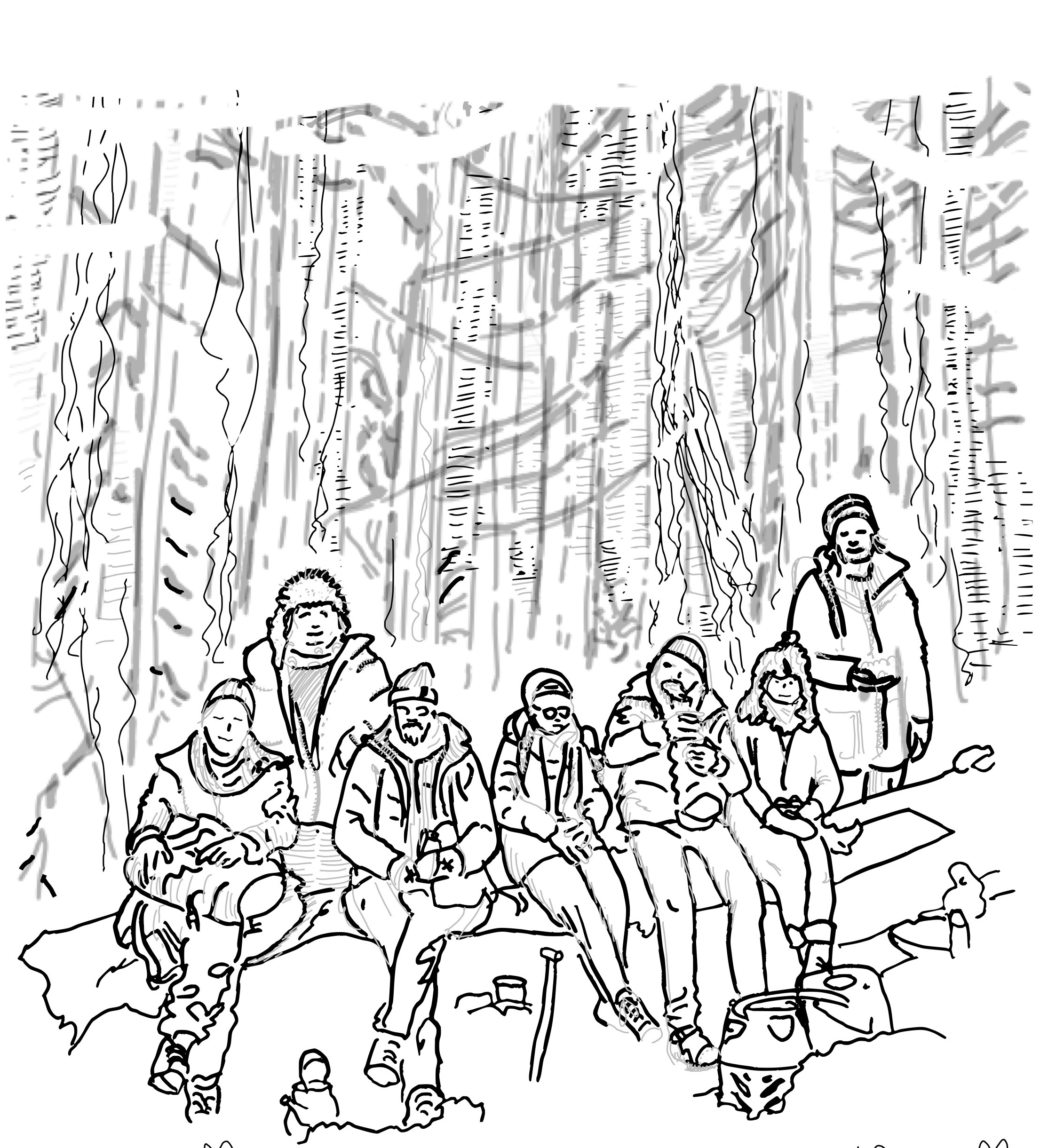
Tavoitteeni on kehittää valmiuksia joilla voimme organisoitua luonnon ja sen muutoksen suhteen. Järjestän tätä varten sarjan performansseja luonnonlähteillä. Lähteet ovat ihmeellisiä; Maaperällä on maku! Perehdyn ainakin kahdeksaan kohteeseen eri puolilla Suomea ja valmistelen niiden käyttäjille työpajoja. Työskentely perustuu vuoropuheluun ja luo suhteita. Osapuolina ovat lähde, sen eliöt sekä ihmiset, jotka haluavat kuunnella paikkaa ja altistua. Performanssit ovat osaltani opintomatkoja, joiden kautta tutustun erilaisiin lähdekulttuureihin niihin kytkeytyvien yhteisöjen kautta. Tilaisuuden rakentuvat veden maun varassa, jonka annetaan ohjata lähteen tulevaisuutta koskevaa päätöksentekoa. Maku on vahvan omakohtainen mutta vaikutealtis tuntemus. Sen välittäminen edellyttää avointa sanallistamista ja kuulostelua. Maistamisen ympärille organisoituminen on herkkä prosessi, joka synnyttää luottamusta toisiin ja omiin aisteihin. Tällaisessa tilassa tehdyillä kannanotoilla on mielestäni väkevämpi vaikutus kuin perinteisellä asiantuntijatyöllä. Väkevät keinot ovat välttämättömiä sopeutuaksemme ympäristön muutokseen.
Matkustan ympäri Suomea liftaamalla. Liftaus on päästövapaa ja sosiaalisesti opettavainen tapa tutustua uusiin ympäristöihin. Lähestyn yhteisöjä, jotka toimivat aktiivisesti lähiluonnon kanssa ja joiden toimintaan vesistöt kytkeytyvät. Etsin kumppaneita järjestöjen kuten partiotoiminnan sekä metsästysseurojen kautta. Tätä ennen olen saavuttanut etäisiä lähteitä maastokarttojen avulla ja luonut onnistuneita paikallisyhteyksiä, soittamalla esimerkiksi lähialueiden huoltoasemille ja utelemalla. Tämän työn puitteissa toimin kullakin lähdealueella kahden viikon ajan tutustuen alueen asukkaisiin. Paikallistoiminta voi myös kytkeytyä kulttuuritapahtumiin sekä kunnallisten toimijoiden ohjelmiin. Olen aikaisemmissa projekteissa tukeutunut esimerkiksi Maaseudun sivistysliiton verkostoihin. Tutustuttuani yhteisöihin käyn heidän kanssaan lähderetkelle.
Esitän kunkin lähdevierailun alussa performanssin, joka pohtii veden geologista kiertoa. Paljastan sen kautta kaiken mitä tiedän aiheesta. Aikaisemmissa esityksissä olen laulanut yleisölle ja tanssinut kumisaappaissa esittäen sateen kulkua maaperässä. Esityksen draaman kaari on kömpelö. Performanssitaiteelle ominainen kotikutoisuus synnyttää tilapäisiä tasa-arvoisia tiloja, jossa jaettavat kertomukset näyttäytyvät kaikki yhtä päteviltä tiedon lähteiltä. Tämän jälkeen harjoittelemme veden maistamista ja keskustelemme lähteisiin liittyvistä kokemuksista. Sillä yleisö tuntee paikat ennalta, työskentely on pohjustettua ja etenemme sutjakasti käsittelemään mikä lähde oikeastaan on ja miten meidän kannattaa olla siihen suhteessa.
Tallennan osallistujien puheenvuoroja sekä tuntemuksia ja kokoan kustakin esityksestä asiapitoisen raportin. Raportit valmistellaan samaan tapaan kuin yhdistysten keskustelupöytäkirjat, joiden laatimisessa olen järjestösihteerinä hyvin harjaantunut. Tarkistutan asiakirjat osallistujilla ja pyydän niihin palautetta. Tarkistuskierros lisää asiakirjan vaikuttavuutta ja mahdollistaa lähteen ympärille järjestäytymisen. Järjestäytymisen myötä voimme ohjata esimerkiksi kunnostustoimenpiteitä ja pyrkimyksiä tehdä paikkaa saavutettavaksi eri käyttäjille. Toisaalta asiakirjat voivat tukea aikeita kätkeä lähde ulkopuolisilta ja jättää paikka rauhaan. Vesivarat ovat korostuneen eripuran ja huolen aiheena. Esimerkiksi kunnalliset toimijat kartoittavat lähteitä huoltovarmuuden näkökulmasta, mutta monet kontaktoimani paikallisaktiivit pyrkivät pitämään lähteensä salassa estääkseen niiden kuormittavaa käyttöä. Kummatkin osapuolet pyrkivät suojeluun, mikä paljastaa kiinnostavan jännitteen: Toiset suojelevat luontoa sitä kätkemällä, toiset tekemällä tutuksi. Onko kätkemällä suojeltua luontoa piilossa enemmänkin ja pitääkö tunnistamisen aina johtaa haltuunottoon? Pitääkö luonnon kuulua kaikille?
Kokoan pöytäkirjojen pohjalta laajemmalle yleisölle suunnatun taiteilijakirjan. Kirjaan sisältyy tarinoita, haastatteluita sekä veden maun ja paikkojen kuvauksia. Teoksessa on esseeosuuksia, jotka kuvaavat tuntemuksia, joita vieraiden vesien juomien teettää. Kirja toimii oppaana lähteiden tunnistamiseen ja maistamiseen. Maistamisen taito, näppituntuma ja oma harkinta edustavat osaamista, joita muuttuvassa maailmassa kannattaa kehittää. Aikaisempien esitysten avaamien keskustelujen myötä olen oppinut kuinka viileitä lähteitä voidaan käyttää marjojen säilytykseen, sekä minkälaisia oireita poikkeavilla mineraalipitoisuuksilla varustettu juoma tuottaa. Olen myös havainnut tuulahduksia rituaalikäytöstä ja haluan saada selville minkälaisia hengellisiä suhteita ihmisillä on vesiin. Kerään tarinoita ja tulkitsen esityksiin osallistuneiden yleisöjen reaktioita sekä sanoittamattomia tuntemuksia. En paljasta lähteiden salaisuuksia. Kirjoitustyyli hakee muotoa kauhu- ja mysteeriromaaneista. Vaikuttaa siltä, että lähteet herättävät ihmisissä syvällistä pelkoa ja vaarallisia tuntemuksia. Maan kupeen nauttiminen on kuumottavaa, sillä sen laatuun vaikuttavat kaikki maalliset toimet. Oikein kanavoituna tämä voimakas tunne voi motivoida poliittiseen organisoitumiseen.
Julkaisu toteutetaan matalan kynnyksen mediatyön periaatteita noudattaen. Kirjoitan sen tekstit käsin, samoin kuin olen toteuttanut hevoskulttuuriin liittyviä tutkimuksellisia artikkeleita (liite). Kirja on kuvitettu piirroksin ja tulostettavissa mustavalkoisena kotiprintterillä kuten zine-julkaisut. Olen tehnyt zine-julkaisuja koko urani ajan ja organisoinut pienjulkaisu toimituskuntia osana nykytaiteen opetustyötä eri yliopistoissa. Myös performanssitaiteilija Tea Andreoletin kanssa tehty yhteistyö (esitellään alla) on kiteytetty pienkustannemuotoon. Kuvasimme Tean kanssa Tasting is the process of comparing two or more ingredients to each other (2021) teoksen, joka opastaa kuinka rakennuksia voi juoda ja julkaisimme sen saatteena A5-kokoisen Tasting Book maistamis- ja reseptioppaan.
Työskentelyn poliittinen motiivi ja taustat
Toimintani kehittää ekososialistisia tai oikeammin hydrokommunistisia verkostoja. Esitykset kokoavat yhteen vesistä kiinnostuneita ja vahvistavat heidän kykyään työskennellä yhdessä vihreän syndikalismin hengessä. Aistien ja paikallistuntemuksen varassa jäsentyvä poliittinen toiminta vastustaa hallinnollisia ja tiedollisia hierarkioita. Työ ei kuitenkaan haasta asiantuntijoita vaan kutsuu liittolaisia. Lähteet kutsuvat, jopa velvoittavat niiden käyttäjiä, ja haluan tunnustella toimijuuksia, joita ne ehdottavat. Olen avannut yhteydenpidon Uudenmaan ELY-keskuksen Helmi-elinympäristöohjelmaan liittyvien tutkijoiden ja virkamiesten kanssa. Helmen ohjelmassa on pienvesiin liittyvä painotus ja olen kontaktoinut luonnonsuojelun asiantuntijoita, joiden kanssa syvennän yhteistyötä apurahakaudella. Olen oppinut, miten esimerkiksi Helsingin kaupunki on järjestänyt asukkaille pienvesitapaamisia ja purokävelyitä. Haasteena on ollut, että retket kuormittavat herkkiä ympäristöjä, joihin ne kohdentuvat.
Toivon oppivani asiantuntijoilta lähteiden kunnostamisesta ja tämänhetkisistä käytännöistä pohja- ja pintavesien kanssa toimimiseen. Tämä sisältö uudistaa jo käyttämääni esityksen käsikirjoitusta ja virittää osaamistani. Vastalahjaksi kehitän Helmen asiantuntijoille menetelmiä, jolla voi edistää luontosuhteita ilman että kohteissa vieraillaan. Kokemukseni mukaan oikein esiteltynä kraanavesi mahdollistaa rikkaan luontokokemuksen. Teos koettelee asiantuntija vetoisen luonnonsuojelutyön ja edustamani ihanteellisia luonnon kuvauksia kritisoivan taiteellisen toiminnan rajoja. Lähteillä järjestämäni esitykset toimivat opintokerhoina, jossa kohtaavat vesistöjen suojelutyötä ohjaavat viralliset, taiteelliset ja paikallisten käytännöt.
Taiteellista työskentelyäni on pian kahdenkymmen vuoden ajan läpäissyt itsessään ongelmallinen antroposeenin käsite, joka arvioi ihmisen ympäristövaikutusta geologisen ajan mittakaavassa. Käsitettä hyödynnetään kriittisenä työkaluna, jolla puretaan ideologioita, jotka tähtäävät ihmisen tarpeiden tyydyttämiseen muun elollisen kustannuksella. Se kuvaa lajimme kaikkivoipaisena ja esittää nykyihmisen toiminnan koskevan koko elonkehää. Antroposeenin näkökulmasta ihmiskunnan luontosuhde on katkonainen ja alistava, mikä ei kuitenkaan vastaa metsissä liikkuvien tai niistä riippuvaisten yhteisöjen tuntemuksia. Mikäli ihminen vaikuttaa kaikkeen, voidaan päättelyä seuraten havaita että muovipullosta juova on aidon luontokokemuksen äärellä. Tämä on herkullinen kehä. Taiteellisena haasteenani on nautiskella luonnon saavuttamisen vaikeudesta.
Tavoitteeni on, että esityksiin osallistuvat yhteisöt muodostuvat huokoiseksi organisaatioksi, jolla on jaetun kokemuksen, pöytäkirjojen ja mahdollisten yhteisten päätösten kautta omaa ympäristöään koskevaa toimintavaltaa. Pyrkimykseni on vahvistaa yhteisöjen valmiuksia organisoitua lähteen asettamien ehdotusten mukaisesti. Näkökulma on lennokas, mutta olen jo pitkällä sen kehittämisessä. Valmistelen parhaillaan 24. syyskuuta esitystä Degermosantien asukkaille Sipoonkorpeen, Helsingin viimeisen luonnonlähteen kupeeseen, jossa testaan tässä esittämiäni menettelyitä. Tätä hakemusta koskevasta prosessissa syntyvää taiteilijakirjaa painetaan satakunta kappaletta ja se postitetaan toimintaan osallistuneille. Näin työhön osallistuneet hyötyvät toistensa tietämyksestä.
Työni lähteiden parissa sai alkunsa 2018 kutsusta osallistua Alkovi gallerian johtamaan In Various Stages of Ruins aloitteeseen. Toiminta tarkasteli miten kansallisia arvoja määrittävä tieto muodostuu ja kuinka sitä välitetään. Vierailimme ohjelman puitteissa Venäjällä, missä jännitteet virallisen ja paikallisen tiedon sekä raunioiden välillä ovat akuutteja. Teimme retkiä Venäjän Karjalaan, missä haimme kyläläisten avustuksella luonnonlähteitä Куркиеки ja Йо́ханнес / Советский ympäristöistä. Valmistelin tältä pohjalta esityksiä Agency of Singular Investigations – ASI space, Fabrikaan (Moskova) sekä Zarya taidetilaan (Vladivostok). Esitykset pohtivat ja testasivat, miten luonnonlähteiden vedet vaikuttavat käsitykseen paikasta. Kysyin esityksillä, kuinka paljon paikallisen lähteen vettä on juotava ollakseen paikallinen.
Venäjän matkat toteutuivat samaan aikaan Performing the Fringe -projektin kanssa. Itämeren alueelta koottu taiteilijaryhmä tutustui parin vuoden ajan Tukholman, Porin ja Vilnan lähiöihin pitkien kävelyiden ja paikallisten asiantuntijoiden puheenvuorojen kautta. Tukholmassa vastaanottavana organisaationa toimi Konsthall C, jossa järjestettyyn näyttelyyn liittyen suunnittelin esityksen lähistöllä asuvalle perheelle. Koska en löytynyt luonnonlähdettä, valmistin perheelle kivennäisvettä heidän kotitalonsa rakenteissa käytetyistä kivistä. He joivat taloaan naureskellen. Korona-pandemian teettämät sulut käynnistyivät samana viikonloppuna. Tämä sai minut kohdentamaan työskentelyni pienille ja paikallisille yleisöille. Tukholman esitys toteutui perheen olohuoneessa juuri ennen lasten nukkumaanmenoa.
Osallistuin seuraavana syksynä New Performance Turku -festivaaliin järjestäen polkupyörävaelluksen syrjäiselle luonnon lähteelle Kukonmäellä. Tanssin samoin sävelin Kiasman Esitys:NYT -tapahtumassa, tarjoillen yleisölle vettä Kurängen lähteestä ja valmistaen kivennäisvettä Finlandia-talon marmoreista. Vesiteema jatkui Porin taidemuseossa, jossa toteutuneen näyttelyn yhteyteen teimme Jesse Sipolan kanssa julkisen taideteoksen p3rm46r4ff171 (2021). Tutustuin työskentely lomassa performanssitaiteilija Tea Andreolettiin, joka on tehnyt lähdevesiin liittyvää taidetta ja kouluttautunut vedenmaistajaksi. Valmistelimme Tean kanssa esityksen 2020 Anti -festivaalille Kuopioon. Valmistelun yhteydessä saimme selville, että miltei kaikki kaupungin lähteet oli tuhottu päättäjien hygienisenä varotoimenpiteenä.
Short in English: I’m working to scale a performance I’m preparing for the Nomad House program into a three year project titled: “National Forest Spring Affair”. I propose eight or more workshops (bundled with lecture performances), which I’ll organize at different natural springs around Finland. I’ll reach remote sites by hitchhiking, which I casually frame as a practical solution (an innovation even) to logistical sustainability concerns in arts (both ecological and social aspects of it, as during the 2014 Trans-Horse riding excursion, we learned that infra is barely material and solely dependent on social networks and kindness). The audiences I’m looking to reach consist of members from local associations who are involved in forestry, such as hunting associations and scout clubs. There is buzz around springs due to national security of supply concerns.
The work is grounded on community organization and I frame the project as a hydrocommunist initiative (I don’t know what it is yet, but imagine it will be great). My idea is that the taste of spring water will enable the group to formulate opinions and dreams of nature. Each spring informs different political action and desire. I’ll document the discussions and collect water stories, anecdotes – Honestly pretty much everything people experience and know about the sites. The documents will be written in “minutes of the debate” -form which I’m skilled in formulating through my involvement in political associations. To establish the document’s validity, it will be checked by the participants, which makes them suited as a foundation for future planning, statements and negotiations.
Later on I’ll write a horror-story book which is based on the documents. The book aims to motivate furter tasting experiments and give hints on how to discover, claim or hide natural water resources. It will be a low key zine written by hand, which people can print at home. It will not reveal the secrets of the springs – It’s not a map but a tool for discovering local area resources. The initiative is founded on ecosocialist thought and my idea is to organize participants into a national network (in the spirit of green syndicalism), which can collectively work for springs (or work to keep them secret).
The artwork explores contradictions between nature protection (best represented by ELY, the Centre for Economic Development, Transport and the Environment) and artistic initiatives which aim to dislodge established, often idealized notions of nature. This part of the project is informed by Enis Yucekoralp’s take on the sublime and a recent publication regarding the Gothic Anthropocene. The work builds on my involvement in Land and Environmental Art Conservation and pedagogic ambitions in advocating horse intellect in urban planning.