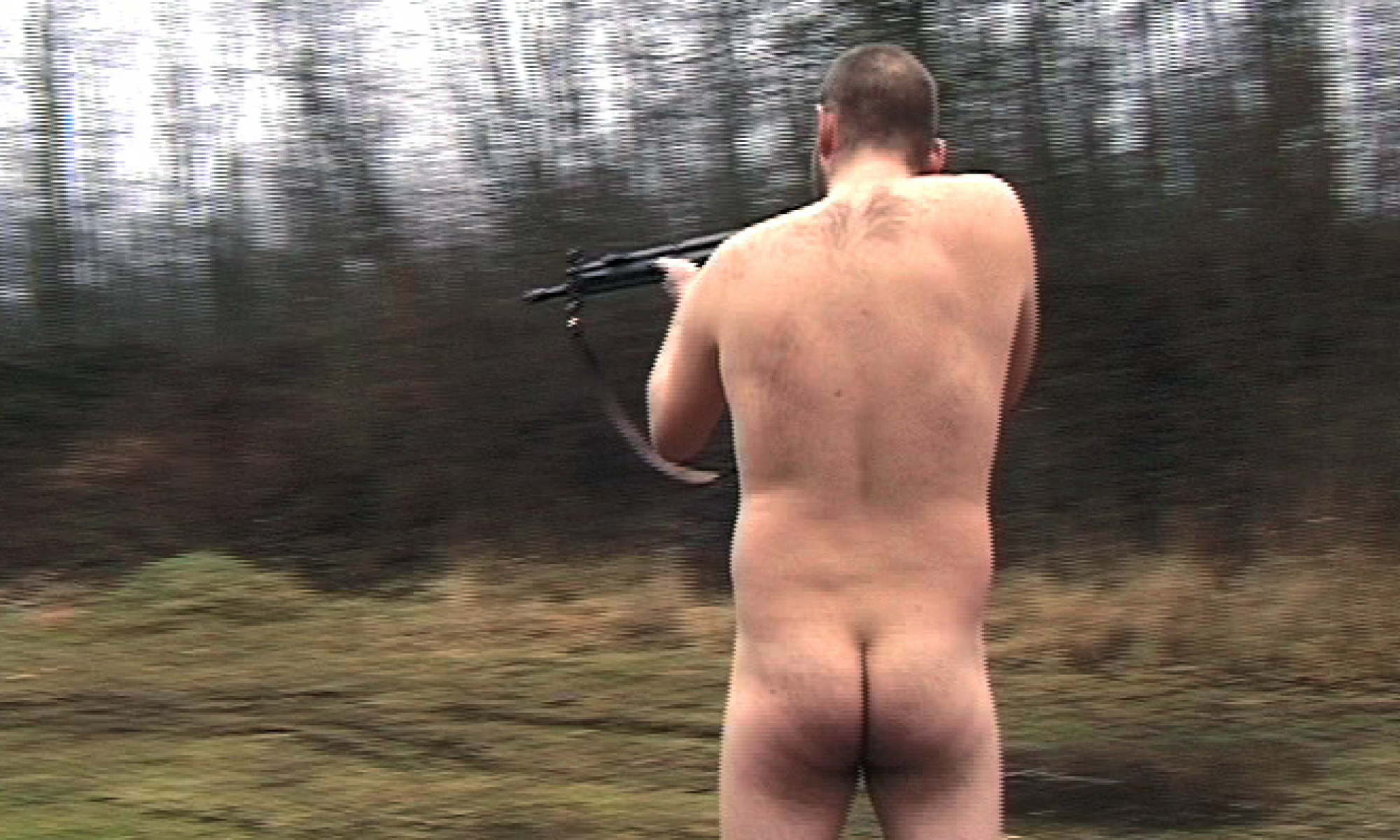
Originally published on No Niin magazine in April 2022 issue 10. Edited by Elham Rahmati.
I think it’s brave and curiously decadent to work with sex; I mean, working with sex in any form, as a creative theme or performing sexual acts. I’ve never felt comfortable exploring my sexuality, and I think I need to engage in this aspect of my creative life. I’m worn, strained and feel a need to revitalise myself. What I’m doing here is an attempt to come to terms with my curiosity. But I might be overdoing it. Instead of working with my issues, I’m jumping in headfirst and committing a public sex act to get over it. We all have to start somewhere, right?
When I began thinking seriously about sex, reading and writing about it, I started imagining myself as a sex worker. This helped me establish a professional distance from the topic and made my engagement with it less personal. I might have a hard time exploring my body and how it feels, but I know how to work. So, approaching sex and sexual expressions as a project made it feel less intimidating. I’m confronted with the realisation that I don’t think I know any sex workers. At least no one has confessed this to me; perhaps they fear I’d judge or misunderstand them. I don’t think I would. I’d have a harder time coming to terms with a friend admitting they were paying for sex than learning that someone was doing it for a fee. It turns out I’m a prude. I’ve fostered a belief that money taints sex, which belongs to a private domain.
What I’m exploring here as sex work also includes novelists who write about it and others who have sex without pleasing. I’m inspired by artworks and performances that deal with sex or are arousing to the extent that I’m left asking: “Did I just see a striptease act, or is there something wrong with me?”.
These are my angles on sex as work. Well, honestly, these and online porn. I haven’t paid for any of the porn I’ve consumed. I guess this makes my relationship with the performers less professional. My taste in online porn is polarised. I like over-the-top performances that feel unreal and show unrealistically fit bodies. This establishes a distance, which helps me feel less ashamed of my gaze. I guess a lot of online porn works this way. The categories sites use for organising their content give a bigger rush than the videos they link to.
60fps, amateur, babe, babysitter, behind the scenes, brown-in-pink with vertical rotation, casting, clean, double penetration, euro, exclusive, fingering, liquid on porous, pink-on-pink, public, red-grey-opaque, rotating up with veils under limbs, shaking soft with mass, squirt, toys, untitled 2#
I’m scared of sex; categories appeal to me because they help constrain it. The craft of controlling a body at will and the will to control another body is frightening. Imagining this power makes me view people as tactical flesh machines, as mechas or robots, operated by desires. I fear I would be easily exploited.
Is it vain to work on a sex project as pandemics and wars are crippling the world? Perhaps. But in all honesty, this is the best response I have come up with. I’m working as an artist, performing a public act and even getting a grant for it. It’s a COVID-19 art grant intended to help creatives pass the social distancing related to businesses and government agency shutdowns. The grant is for relieving economic stress.
Emerging as a sex-artisan
Beautiful agony, a little death. Powerful names for an orgasm. One is the name of an online sex community. Beautifulagony.com has been up and running since 2004. I’ve followed it occasionally over the years. Contributors share videos showing only a tightly framed image of their face while having an orgasm. Simple, stylish, and elegant. Confusing too, a community for sharing the faces of enjoyment, for the enjoyment of others. There is a small fee involved for the contributors, but the biggest payoff seems to be that contributors gain full access to the archive and become part of the community. It feels innocent, but the website’s forum is banal on a closer look. Performers are referred to by their submission number and discussed as flesh.
“Ms. 4161. So nice to see her again. Her orgasms are so natural and unaffected that I have to smile when I see them. I particularly loved the contributions she made with her partner.”
“I agree. The Friends’ contributions are some of the best on the site.”
“All their videos are excellent, and I hope she contributes more with or without 4160”
“In her confession video, she explains her synchronous masturbation technique.”
“I love watching clips with men, and it turns me on. Sometimes I jerk off and try to orgasm simultaneously with the man in the clip. If it works, then it is great and very relaxing.”
There are sample videos available for free, and I was drawn to them because the people in them look sincere. The way they are shot leaves a lot to the imagination. They only show a happy face moving in syncopated rhythm, unintentional utterances, and audible skin friction. In the grant application, I wrote that I would make a contribution to the site as a way to explore the changes we experience in intimacy due to COVID countermeasures.
At first, Emmi was curious. When I presented this idea, her immediate reaction was that it was fun, but then it dawned on her that the production of the work would take hold of our lives. We’ve been together for almost twenty years. Keeping work and family life separate has been challenging. When I get a project going, it engulfs our home. I use our living room and closets for storing art gear and talking about what I do nonstop. She feared that she might have to start sleeping in the living room when I would be working.
She asked, “On which dates do you need to keep the camera rig in our bedroom?” I promised I’d shoot the video in a hotel. But there wasn’t time for it that summer. I took a temporary job working as a gardener. It was a hard job, and I lost my appetite for art, sex, and life. I grew bitter and spent the free time I had sulking.
Later, during the fall, she reminded me that I should complete the project, and sometimes after sex, she would make a joke about filming the highlights. I think the sex part of the work made her feel a bit proud of me. I haven’t been shy about sharing details of this project with friends and colleagues. But they don’t ask about it either. As it stands, my solo sex performance is putting Emmi and the kids in an odd position. Weirdly, the sexual act I’m planning will be more relevant, more understood, and discussed by strangers than my friends and colleagues. Having an orgasm publicly makes me lonely.
When preparing for the shoot, I read the Beautiful Agony website submission guidelines and the release form they wanted me to fill out. There are a lot of technical demands on video quality. They recommend that I use “natural light” and have specifications for the audio quality. The demands feel vague and rigid simultaneously, like an open call for a student film festival. Suddenly, making the video starts to feel like work. They want me to submit two recordings shot in two different locations. This is so that they can select the performance that fits their brand best. They also want me to include a 15-minute “Confession” interview, a monologue in which I share a depiction of my first orgasm and notes on my sexual desires. I’m not feeling many things right now. Anxiety over precarious work conditions hardly counts as a sexual desire.
The confessions segment feels like a mandatory artist interview that an art festival might expect an artist to provide. Something organisers assume the funders of the event want to hear: A juicy display of complete submission. I think I’m not paid enough to offer one, and I doubt anyone cares about my sex life.
The confession videos are only available to members of the community. So I can’t see how other contributors are responding to the demands, but judging from the thumbnails, people look fresh and as if they have stories to share. I’m pressured to make something up. While reading the guidelines, I started to think about the easiest ways of executing the work, just like I would plan for a regular work commission. This stress, bundled with figuring out the logistics for the sex act, made the entire project feel frustrating. Doing sex as a performance is boring because, while the actual sex can be exciting, there are a lot of office tasks.
We went past the second peak of the pandemic, and I ended up working in logistics for Posti. Later, I went for a job at a food courier company and was offered a position working as a shopping centre security guard. I was saved from these by a small commission. Emmi started expecting our third child; I got vaccinated three times and scavenged a small grant for a different project. Life moved on, and masturbating for strangers felt like a vain thing. Eventually, I postponed the project for two years, and it lost its urgency for me.
Two years later, together alone
The archivists of the Beautiful Agony site forums seem very committed and ready to scrutinise the quality of my submission, from the tone of my voice to the blush on my cheeks. Will they like me? They will refer to me as a number, and if they do, I hope I get a good one. A series of odd numbers would feel like a good luck charm. The value of life, our capability for empathy, and our rationality are assessed using numbers. The numbers display statistics of the virus’ spread and the death tolls. The pandemic and the culture that statistics feed into are turning us into cyborgs. We are connected through data, and I hope for a high number of views.
Kaino told me that they had read somewhere that there hadn’t been as much poetry or artistic depictions of “the plague” as historians expected. People were busy surviving, we reasoned. I imagine a lot of “plague art” was made while the disease reigned in Europe, but after the disease had its way, the artworks lost their context and were neglected. Poetic depictions of the colours of boils don’t make much sense to people who can’t read the progress of infection from them. Masturbatory Covid-art falls into this category too. It only makes sense when nothing else does.
I hope you are feeling relaxed and relieved. I have a shoot to prepare. Thank you for this moment. I feel like I’m ready for work now. I’m not passionate about what I have to do, but I feel more equipped to handle it. I hope you are too. Bye.