NO-CHAIR-DESIGN: As I attempted to reach Kosuth

Eero Yli-Vakkuri
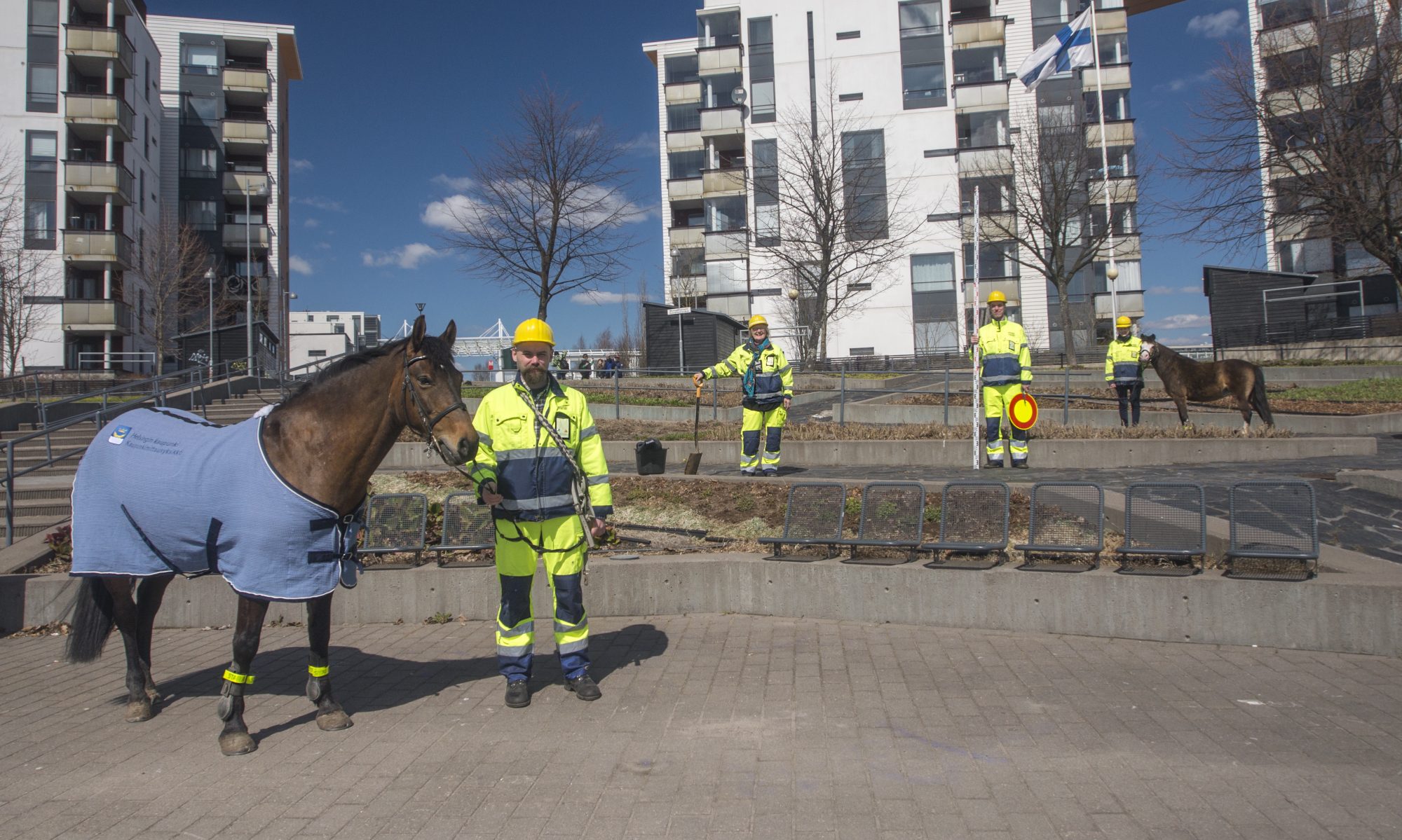
Teksti on kirjoitettu Antti Mannisen kuratoimassa Breathing – POP UP taidetilassa. Se on lähtökohtaisesti kirjoitettu verkossa avoimeen kirjoitusalustaan, lukijat ovat voineet seurata sen kirjoitusta reaaliaikaisesti ja kommentoida sitä. Kirjoitus työ on lomittunut “LAPSET TÖIHIN JA APURAHAA PELAAMAAN” tapahtumapäivään, jonka toteutumiseen osallistuivat Eero Yli-Vakkuri, Pekka Ruuska sekä Manninen. Päivän päätteeksi järjestettiin “Uuva – Apurahapeli”. Video: http://storijapan.net/uuva/apurahapeli. P-Lapsiparkkiin osallistui päivän aikana yksi lapsi, työpäivä oli siis kaikin puolin täysi. Ruuska viihdytti laulaen “Missä ovat munat”, joka oli meidän ykös leikki. Kirjoitukseen pohjaava artikkeli julkaistiin 2013 Esitys-lehdessä 4/2013. Esityslehden artikkeli .pdf tiedostona: 2013_ala-ole-lapsellinen-esityslehti_eero-yli-vakkuri.pdf
Muutettuani Helsinkiin juttelin kaverin kanssa kanssa mediataidenäyttelyn avajaisissa.
– “Miksi muutit Helsinkiin?” Kysyin kaverilta.
– “Se, että toimis mediataiteilijana pohjoisessa oliis vähä sama kuin jos oliis lapsia”. Hän vastasi. Nauroimme ja joimme viiniä.
Kaveri tarkoitti tällä sitä, että mahdollisuudet esittää taidettaan rajoittuvat susirajan tuollapuolen, kuten lasten kasvattaminen ja perhe-arki rajoittaa taiteilijuutta. Minulle syntyi lapsi pari kuukautta keskustelun jälkeen. Siihen jäivät naurut. Lapsellisten ja lapsettomien taiteilijoiden välillä on luokka ero, joka vaikuttaa voimakkaasti nykytaiteen estetiikkaan (yhtä merkittävästi kuin sukupuoli).
Lapsellisia taiteilijoita ja lapsellista estetiikka syrjitään. Nykytaidekenttä sen käytännöt, toimintaympäristöt, galleriat, seminaarit, keskustelutilaisuudet ja performanssitapahtumat ovat poikkeuksetta suunnattu yleisöille ja esiintyjille, joiden aikatauluja ei säätele lapsellisuus. Lapsellisuus on kuitenkin määrittely kysymys kuten sukupuoli. Se luomat erityispuitteet ovat sovittelukysymyksiä.
Kuvataide yhteyksissä museot lienevät ainoita tahoja, jotka järjestävät ohjelmaa myös lapsille. Niissä voi järjestää vaikka virikkeelliset synttärijuhlat. Alakulttuurikentällä naureskellaan lapsiryhmille joita oppaat kaitsevat museoiden käytävillä. Opastusten lapsille lauletaan ja satuillaan. Taiteesta puhutaan ympäripyöreästi minkä koetaan laskevan sen arvoa. Ympäripyöristyksiä joudutaan tekemään sillä nykytaideteokset eivät avaudu lapsille – Niitä on harvoin ajateltu lapsille. Taiteilijan perhetausta ja luokka on hävitetty työstä. Syyllistyn tähän itsekkin. Naurettavan pieni osa työskentelystäni on lapsiystävällistä. Itseasiassa osallistun performanssitapahtumiin juuri siksi, ettei tarvitse olla lasten kanssa. Tämä on arjen pakoilua.
Taiteilijat asettavat itsensä usein lapsen asemaan ja kuvaavat omaa lapsuuttaan. Tämän teeman kanssa työskennellessä lopputuote on harvoin lapsille ymmärrettävissä. Taiteen äärillä lapselliset yleisöt joutuvat pidättelemään mukuloitaan etteivät nämä koske teoksiin tai hihku (saati itke) esityksen aikana. Poistumispäätökseen ajava sosiaalinen paine syntyy huomaamatta, paineen muodostumista ei ole alleviivattu ja huomioitu. Aikalailla karmivaa, että lapsien ilmaisua rajoitetaan nykytaide yhteyksissä. Mieleen juolahtaa esimerkki Art Spiegelmanin “MAUS” sarjakuvasta, jossa natseja pakoilevat juutalaiset ovat piiloutuneet kenkäkasan alle.. Partion lähestyessä äiti joutuu tukahduttamaan itkevän lapsensa. Tätä näkee seminaareissa päivittäin kun isät ja äidit hipsivät studioista lasten turhautuneita ääniä hillitäkseen.
En ole näistä prosesseistä katkera, saati syyllistä lapsettomia. Kuten sanottua syyllistyn moiseen itsekkin… Tottapuhuen par’aikaa. Tätä kirjoittaessani makaan Antti Mannisen kuratoiman Breathin POP-UP taidetilan lattialla.. Pyöritän täällä Pekka Ruuskan kanssa “P-lapsiparkkia”, jonne Turkulaiset voivat tuoda lapsensa; lähteä sitten pyörähtämään kaupungilla tai jäädä tilaan tekemään läppärihommia tai katsomaan vaikka Muu Ryn tuottamaa “Performance Voyage II” videotaide koostetta rauhassa (laitoin tosin sen äänet hiljaiselle sillä se ärsytti). P-Lapsiparkki on taide-esityksenä suunnattu kulttuurityön tekijöille, “P” tulee sanasta prekariaatti. Samalla oma mukulani on tarhassa Helsingissä. Kotoani tuomat lelu on levitelty iloisesti tilaan mutta ne lepäävät käyttämättöminä. Olen oikeastaan helpottunut sillä saan näin aikaa kirjoittaa tätä tekstiä. Illalla tilassa järjesteään vertaisrahoitus tilaisuus Uuva – Apurahapeli (Monopoly edition 1#) ja huomenna tilassa käynnistyy Ishmael Falken järjestämänä, lasten ohjaama “Iloisuus työpaja”.
Alakulttuurikentää on ikääntymässä ja vahingossa tai harkiten jatkamassa sukuaan. Oli syy lisääntymiseen mikä hyvänsä meidän on yhdessä luotava menetelmia jotta lapselliset toimijat eivät ajaudu syrjään. Jotta lapsellisuus saati lapset itse eivät muutu osallistumista rajoittaviksi tekijöiksi. Hyviä yrityksiä ja esimerkkejä perheystävällisistä nykytaide-tuotannoista alkaa olla jo riittävästi. Esimerkkinä vaikka Andy Bestin ja Merja Puustisen pomppulinnat ja Alexander Reichsteinin Mutatis mutandis veistos-projekti. Lapsellisuus teemasta puhutaan usein ja sen on ottanut esille myös taiteilija Tero Nauha. Myös nukketeatteriin erikoistunut Kuuma ankanpoikanen – ryhmän lapsille sekä aikuisille suunnatut tuotannot (joiden mandaatilla tämä Breathing tapahtumakin on toteutettu) sotkevat sarallaan lasten-ja-aikuisten kulttuurien välistä rajaa. Vastaavia projekteja on ollut hankala saada esille nykytaidetiloihin ja nykytaideyleisöt ennemmin seuraavat teosten sosiaalisia vaikutuksia sivusta, kuin osallistuvat.
Ongelmana on myös, että lapsettomat taiteilijat ovat kaikinpuolin soveltuvampia nykytaidekentän yleisiin työehtoihin. Syy on vain se, että työehdot ovat vinksallaan.. Edustamani nykytaidekenttä syyllistyy jatkuvasti samaan kuin työnantajat, jotka jättävät “lapsenteko iässä” olevat naiset palkkaamatta. (Osaltaan tämä “P-Lapsiparkki” on yritys korjata ongelma). Työnantajan sijaan, portinvartijana toimivat vaalimamme esteettiset normit. Taiteen uskottavuus lisääntyy mitä etäämmälle se kykenee ponnistamaan historiallis-normatiivisesta perhekäsityksestä. Käsikirjoitus, jonka mukaisesti kriittisen taiteilijan on nyrpistettävä nokkaansa ydinperheeltä-vaikuttavan-talousyksikön ajaessa Volvolla S-Marketiin on juurtunut syvään. Tämä on taiteilijuuden bassovire, monet aloittavat uransa keskivertoa Tapiolalaista perhettä parodisoimalla. Taiteilijalle on ammattimaisempaa myöhästyä koska on krapulassa kuin koska lapsi ei halunnut laittaa hanskoja. Myytti tekijyydestä on saatu purettua mutta myytti siitä, että “miettiessään minkälaiset kurahousut ostaa lapselleen”, ihminen muuttuu vaarattomaksi pikkuporvariksi elää voimissaan.
Sanottakoon, perheellisyys ei hillitse taiteilijan kriittisyyttä. Jos jotain se muuttaa tähtäimessä olevat utopistiset tavoitteet, pragmaattisesti lähestyttäviksi haasteiksi. Näistä ensimmäinen on “kuka hoitaa lapsiani kun tartun toimeen?”. Mikäli jonkinsortin vallankumouksen asialla olemme on meidän noteerattava kriittisten toimiemme vaikutus tarkemmin. Fidel Castron kerrotaan sanoneen, että eurooppalaisia vallankumouksia kannattaa arvioida sen perusteella miten kaupunkikeskuksissa toteutetut uudistukset vaikuttavat periferiaan, siirtomaihin ja marginaaleihin. Vallankumouksen voidaan arvioida onnistuvan kun sen positiiviset uudistukset ulottuvat välittömästi sitä koskevan luokan ulkopuolelle.
Samoin tuottamamme nykytaide kulttuurin tulisi sisällyttää ideologiaansa lapsellisuutta koskeva utopia. Eli idea sille miten lapset sopivat ehdottamiimme sosiaalisiin järjestelyihin tai miten harjoittamamme sosiaalinen kritiikkimme vaikuttaa lapsellisuuteen ja lapsellisiin. Tämän voisi nimetä pyrkimykseksi luoda permakulttuuri ja kuroa sukupolvikuilu umpeen.
Ongelma on globaali: “Slovenialainen ystäväni hämmästeli, sitä, että suomessa niin monella taiteilijalla on lapsia. Sloveniassa ei kuulemma taiteilijoilla ole varaa ja häntä itseään pidettiin ehkä poikkeavana hankittuaan lapsia niin nuorena. Sillä, että ei ole varaa, hän tarkoitti taloudellisen tilanteen huonouden takia myös sitä, että taiteilijoilla ei ole varaa olla olematta joustavia, pitää koko ajan olla valmis suostumaan mihin tahansa tilaisuuteen, mitä vaan tarjotaan.” – Markku //Kommentoitu verkko kirjoitusalustan keskustelussa
Lasten huomioonottaminen on vaativaa sillä “lapset ovat konservatiivisia”. Kuten täällä Breathingissä pyörähtänyt taiteilija totesi (Tarkoittaen tällä varmasti sitä kuinka lapset yksinkertaistavat todellisuutta sitä sanallistaessaan). Pyrkimyksessään kasvaa lapset mielellään oikovat konflikteja näitä käsittelemättä. Tämä ei kuitenkaan tarkoita sitä, että lastenkulttuurin tulisi olla konservatiivista. Väitän, että nykytaiteilijat itse ovat konservatiivisia, sillä aikuisuudestaan huolimatta nämä vetävät mutkat suoriksi kohdentamalla toimensa ympäristöihin, jotka rajaavat lapsellisuuden ulos.. Kysymykset suvun jatkamisesta ohitetaan syystä tai toisesta.. Tuskin tahallaan.. Ainakaan lastenkulttuuria ei nykytaiteilijoiden toimesta aktiivisesti tuoteta.
“Mun tytär kysyy vieläkin ‘miksi se setä makasi maassa?’. En enää kyl vie sitä performanssitapahtumiin.”- Nainen ~30v. //Yleisönä P-Lapsiparkille
On vaikea sanoa miksi taiteilijat välttävät lapsellisuutta huomioonottavaa estetiikka ja käytäntöjä. Sensuurin alaisissa valtioissa tilanne lienee toisin päin. Kaikki tuntevat Zdeněk Milerin, “Myyrä -lastensarjat” ja osaavat lukea näiden modernisaation vastaisen kritiikin. Sensuurin alaisissa yhdyskunnissa lastenkulttuurista jalostuu ideologinen ase ja lapset itse jäävät pelinappuloiksi joita “aivopestään” ja “uudelleen kasvatetaan”. Viimevuosisadan kriisien valossa lastenkulttuuri on niin politisoitunutta ettei sen viitekehyksessä voi työskennellä näyttäytymättä aivopesijänä. Siksi lastenkulttuuriin suhtaudutaan kernaammin parodisesti kuin vakavasti.
Tämä kuuluu siinä kuinka lapsille esiintyvät teatterilaiset ja muusikot viestivät työstään. Kun ollaan vakavien taiteilijoiden seurassa, lastenkeikoista puhutaan kieliposkessa… Toisaalla samat naamat penäävät lastenkulttuurin merkittävyydestä; pyrkimyksessään taaata ettei apuraha-hakemusta hylätä. Näkyvimmin lastenkulttuuria on valikoitunut tuottamaan ensikädessä epäpoliittiset toimijat. Poliittisuus lastenkulttuurissa on tabu ja kriittinen taiteilija laimenee ollessaan lapsellinen. Välttäessään käyttämästä lasta osana työskentelyään, nykytaiteilija pyrkii siihen, ettei asemoi toista pelinappulaksi. Mutta väitän: Lapsi päätyy yhtälailla pelinappulaksi kun tämän omaleimaisuus ja sosiaalinen vaikutus suljetaan keskustelun ulkopuolelle.
Kerrataan vielä ongelmakohtia.
– Kriittisen taiteen esittämisympäristöt eivät ota huomioon lapsellisten perheiden saati lapsien tarpeita.
– Lastenkulttuuri on historiallisesti poliittisesti latautunutta, joten sitä tuottavat ensikädessä konservatiivisesti ja normatiivisesti työskentelevät itsensä epäpoliittisiksi määrittelevät taiteilijat.
Yllämainitut olosuhteet luovat tilanteen, jossa lapselliset taiteilijat ja yleisöt eivät pääse osallistumaan nykytaide esityksiin saati tuotantoihin. Ratkaisumalleja voisimme löytää vaikka menetelmistä joilla urheilija-järjestöt osallistuttavat junnuja. Harrastavat lapset ovat harrastavien aikuisten kanssa usein yhteispelissä. Vuoronperään kentänlaidalla toisiaan kannustaen ja paraatipäivinä toisiaan vastaan. Peli on totista, ei parodista tai esineellistävää.
– Eero Yli-Vakkuri
4.5.2012, Turku Breathing POP-UP taidetila (edit 16.1.2013). Kiitos Pekka Ruuska.
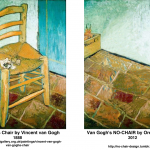
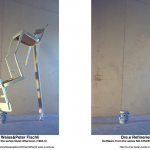
Acclaimed designer Stefan Lindfors threw his birthday party at the Helsinki, White Hall. Lindfors is undoubtedly the best known designer in Finland and has caused a stir with his controversial design and public statements. In the framework of “design terrorism” Lindfors has branched outside the role of a mere industrial designer and has worked with performance art and directed short movies.. While he was greeting guests at the door something very different was being performed behind his back.
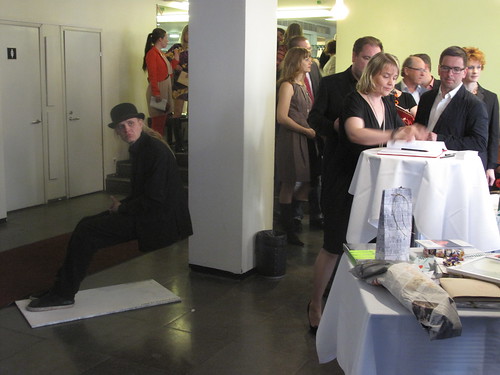
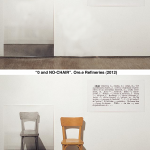
Lindforses colleague and friend artist Pekka Niskanen decided to give the birthday boy (who has designed everything from adult toys-to-buildings) something intangible. Niskanen gave the man who has designed it all.. An “invisible chair performance” as a gift. Talk about less is more design philosophy! A performance a gift is a novel idea. Special thanks to the birthday party planning team for finding the time to fit this into the tight schedule! I hope that this will serve as a good example for people interested in investing to performance art. Sometimes the act of giving is best served by giving an act.
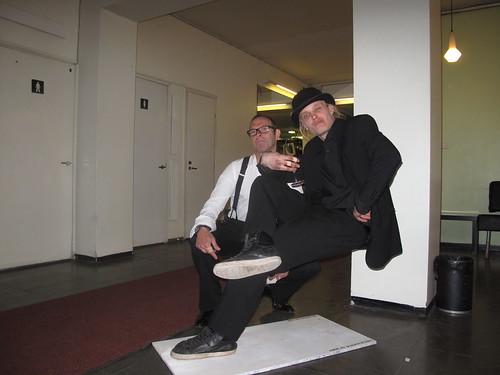
This gift was only topped by Lindforses gift to himself.. Turning 50 he quit smoking. Congratulations mr. Lindfors!

When it comes to sustainable design Lindfors caused a scene some years back when designing the “Plup” bottled water container. Soon after he was attacked by environmentalists left-to-right. The issue was that the round (and as musician Ville Valo described “erotic and quirky“) container did not meet the returnable bottle industry standards. Hense Plups where deemed non-returnable to shops, by Palpa the "Finnish Returnable Container Company”. So, unlike with standard bottles which you get 20cents per bottle when returning to the shop (which are then grinned to shreds and remade into new bottles), people where stuck with their round and quirky Plup flasks.
10cents from every Plup sold was redirected for environmental organizations working to protect the Gulf Finland. But environmentalists argued that consumers purchasing Plup bottles where doing more harm then good. I think that at the time the product was misunderstood. As Lindfors himself stated the bottles where not meant to be recycled.. They where meant to be owned. To be refilled and reused indefinitely.
Bottled water is undoubtedly the most ridiculous commodity you can consume in a country like Finland, with fresh water running trough every tap. Lindfors made a strong statement with the Plup.. It was not about the water at all. It was only about the design. People could buy a design object for 2,50€ and use it indefinitely. It is design which places design markets in an awkward position. If every product out there would be made form the same ideological mindset.. The market value of design as a collectable would drop and consumers would soon have nothing to consume (The only thing left to invest in would be performance art..). As a statement Plup made a mockery of the bottled water industry in general.. For a while it made selling water in small bottles seem like a dump idea.

If someone out there still has a Plup in use please let the world now about it! I guess it was the marketing which caused Plups to flunk. Not to say Lindfors and friends didn’t try. Here is a video backed up with top of the line dancer (now singer) Jorma Uotinen and jackass Bam Margera.