
They are using a Hergés Tintin to as an emotional symbol of the Bryssel attacks. Tintin’s foreplay with racism comes to mind. “Land of the Black Gold” is a bad influence. Found a text “Tintin in the Arab World and Arabic in the World of Tintin” excavating Hergés relation to the Arabic world. It’s not a flattering portrayal but avoids throwing cheap punches.
20160322
Learning about wordpress and other cms systems so that I could get the RSS feed thing going. This html works good but is a drag to publish. I already have a blog which I don’t use much. This kind of updates would be silly there but I’m having concerns that I’ll divide info to too many sites. Edit: Installed wordpress and trying that out. The default theme looks ok. Fiddled with some settings and added the rss to the blogfolio site too. This is working well. I have to think about images. Got the post-by-email system working too using Postie plugin. Thats an option for sharing thoughts on the go.
20160320
Trying to figure the best application combination to write this log on mobile. Also got some interest in making a RSS feed behind these updates and a shoutbox or what not. That ought to be fun.
20160318
I made my mind. After seeing a video by Constant Dullaart (NL/DE) at Sorbus I remembered what it feels like to use social media. Decided to quit my activities in Twitter for good and collect news, events and semi-public ideas on this page instead.
Edit: This feels really good. I’m using SeaMonkey to write the page and it can upload it using ftp with a push of a button. Feels like a solid way to do this. If I have a lot to say, I’ll have to organize the text in some way but this will do for now.
[Fi] Apurahahakemus: “Kutsu”
On aika jakaa syksyisiä apuraha-hakemuksia julkiseen tarkasteluun! Julkaisun tavoitteena on hälventää taiteilijatyöhön liittyviä epäluuloja. Oheinen hakemusteksti on editoitu siten, että projektissa mukana olevat muut taiteilijat/tutkijat eivät tule tunnistetuiksi. Vieraiden työpanoksista ja rooleista kertovat osuudet on kätketty “[…]” sulkeiden sisään. Jätin pois myös “Taiteellisen toiminnan esittely” osuuden, joka on miltei sama kuin menestyksekkäässä Hevoslinja-hakemuksessa.
Kokonainen hakemus lähetettiin Kordelinin säätiölle ja anon samalle projektille tukea myös Taiteen edistämiskeskukselta. Tavoittelin tällä hakemuksella 18000€ summaa mikä on hitusen yli Kordelinin keskimääräisesti myöntämien määrän. Rahoitus takaisi vuoden työskentelyn projektin parissa. Liitteenä hakemuksessa toimitettiin myös kansikuva sekä päivitetty CV.
KUTSU
1. Johdanto
Minareetista kajautettu rukouskutsu liittyy leimallisesti arabimaiden kaupunkeihin, sen voi kuulla myös aasian mantereella ja muutamissa eurooppalaisissa suurkaupungeissa. Rukouskutsua on laulettu samojen kaavojen mukaan yli 1400 vuotta! Se kutsuu kuulijansa moskeijalle, kuten kirkonkellot kirkkoon. Ääni on tuttu esimerkiksi elokuvissa, joissa sitä käytetään kun halutaan johdatella katsoja eksoottisen lähi-itään.
Kokonaisen kaupungin peittävä säännöllinen lauluääni on taiteellisesti kiinnostava ilmiö.
Mitä seuraisi jos vastaava ääni yllättäen kuultaisiinkin Helsingin keskustassa? Kuinka islamilaisesta kaupungista Helsinkiin muuttanut on sopeutunut siihen ettei enää kuule rukouskutsua ympäristössään? Millaiseksi kutsun mieltää ateistiksi tunnustautuva henkilö ja onko traditio kategorisesti uskonnollinen? Minkälaisia erilaisia rukouskutsuja on ja löytyykö ilmiölle paikallista (pohjois-eurooppalaista tai helsinkiläisiä) vastinetta?
Lähestyn näitä kysymyksiä haastattelemalla Suomessa asuvia, islamilaisen kaupunkikulttuurin vaikutuspiiriin kuuluvia kaupunkilaisia ja kokeilemalla miten kaupunkilaiset suhteutuvat erilaisiin kaupunkitilassa toteutuviin äänikokeiluhin.
Tutkimalla rukouskutsun vaikutusta, voidaan tunnustella minkälaatuisia muita ideologisia äänitiloja kaupunkiin kuuluu. Ehkä olemme tiedostamattamme samanlaatuisen äänellisten traditioiden ympäröimiä. Kutsu-projekti toimii viitekehyksenä islamilaiseen kulttuuriin ja tätä kautta monikulttuuriseen Suomeen ja Eurooppaan perehtymiseen. Työskentelyä motivoi halu tehdä monikulttuurinen Suomi paremmin ymmärrettäväksi. Olen myös elänyt lapsena vuoden Damaskoksessa, jolloin lähimoskeijan rukouskutsut olivat lohdullinen ääni.
Työskentelyn keskiössä on prosessi, jossa tutustun islaminuskon vaikutuspiirissä eläviin ihmisryhmiin ja heidän taustoihinsa. Aineisto karttuu kohtaamisten myötä. Työskentely huomioi ajankohtaiset konfliktit lähi-idässä mutta ei alleviivaa kriisejä vaan pyrkii tekemään vierasta kulttuuria ymmärrettävämmäksi kulttuurihistoriallisesta vinkkelistä. Prosessin tuloksena syntyy videodokumentti, kuvia, laulu-äänitteitä ja tekstejä. Osa tuotoksista löytää tiensä taidenäyttelyihin, aihetta käsitteleviin seminaareihin ja esitystaidetapahtumiin, osa muihin monikulttuurillista osaamista tukeviin julkaisuihin ja tilaisuuksiin.
Kohtaamisen teemana ei ole ensisijaisesti islaminusko vaan kaupunki jaettuna äänitilana. Tutustun rukouskutsuun ensisijaisesti äänenä, jonka jälkeen perehdyn sen traditioon, aatteellisiin taustoihin ja vaikutuksiin yksittäisissä kaupunkilaisissa. Dokumentaarinen työ ei keskity yksilöihin vaan se pyrkii lähestymään rukouskutsua urbaanina ilmiönä, johon on suotava olla monta erilaista näkökulmaa. Rukouskutsu toimii alustana tutustua arabimaiden kaupunkikulttuuriin ja sitä kautta islaminuskoon.
Kantavana teemana on Faces-festivaalinen taiteellisena johtajana tunnetun Börje Mattsonin esittämä näkökulma, jonka mukaan ei ole ensisijaista tunnistaa yhtäläisyyksiä eri kulttuurien välillä.. Paljon tärkeämpää löytää eroja, sitten juhlistaa ja suvaita niitä. Mielestäni tällä ajatuksella on taiteellinen vastine Bertolt Brechtin tunnetuksi tekemässä vieraannuttamistekniikassa ja myöhemmin situationisteihin yhdistetyllä Détournement toiminnalla. Näitä ajatuksia myötäillen Kutsu-projekti pyrkii syrjättämään totutun tuntemattomaksi ja vastavuoroisesti oudon tutuksi.
Tavoitteena ei kuitenkaan ole tehdä vieraita kulttuureita “kotoisemmiksi” vaan täräyttää normeja, joiden mukaan ero vieraan ja kotoisen välillä rakentuu. Projektin näkökulmasta moniarvoisuus on ehdottoman kaksisuuntainen prosessi.
2. Haastattelumenetelmät
Työ aloitetaan keräämällä aihetta käsittelevää kirjallisuutta ja tapaamalla islamilaiseen kaupunkikulttuuriin perehtyneitä tutkijoita sekä uskonoppineita. Kontaktiympäristöinä toimivat Helsingin Islamistisen yhdyskunnan ja Helsingin Muslimit ry:n tapahtumat, erilaiset lähi-itään liittyvät musiikki/muu-taide tilaisuudet sekä Helsingin Yliopiston islamin tutkimuksen tutkijapiirit, […]
Vuoden alkuun teen toimintani tunnetuksi Helsingin islamilaiselle yhteisölle, esittelen tulokulmani ja kiinnostuksen kohteeni sillä pyrkimyksellä, että toimintani herättää innostusta ja halua edistää projektia. Perehtyminen Helsingin islamilaiseen kulttuuriin etenee etnografisiaa menetelmiä soveltaen ja käyttämällä yhteisötaiteilijoiden väkevintä tutkimusmenetelmää: Hengailua.
Vietän projektin aikana mahdollisimman paljon aikaa islamilaisen kulttuurin vaikutuspiirissä elävien kaupunkilaisten kanssa ja hahmottelen vastauksia kysymyksiin rinnalla elon lomassa. Työskentely säätelee kunnioitus uskonnon harjoittajia kohtaan. Tutustumispaikkoina toimivat ryhmien käyttämät uskonnolliset tilat mutta kohtaamispaikoiksi käyvät myös rennot ympäristöt kuten harraste ja nuorisotilat (kisahalli, kahvilat, kodit) ja vaativat ympäristöt kuten pakolaisten vastaanottokeskukset. Haastattelut dokumentoidaan videolle, äänenä ja tekstillä.
3. Kepillä jäätä: Uutiskutsu
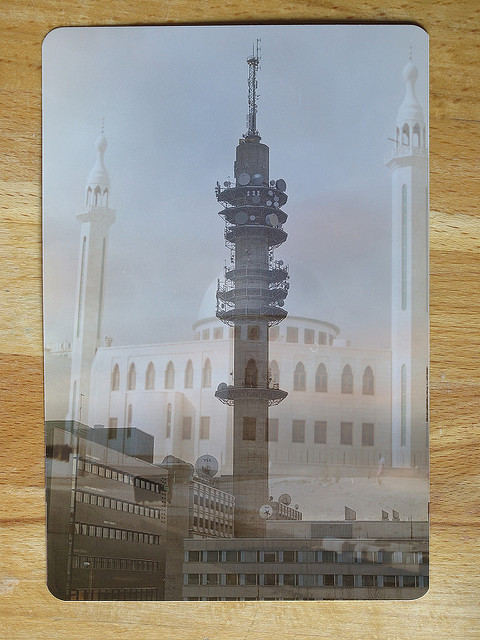
Etsiessäni rukouskutsulle kotoista vastinetta, huomasin että radiossa kuuluvat uutiset (ainakin) viisi kertaa päivässä. Tapa jolla uutiset lausutaan on ikään yhdenmukainen ja tyylitelty. Uutismediaa tuotetaan ja kuunnellaan rituaalinomaisesti. Tästä näkökulmasta Pasilan linkkitorni näyttää minareetilta ja suomalainen uutiskulttuuri ideologisesti motivoituneelta. Onko tämä kulttuureitamme yhdistävä vai erottava tekijä?
Projektia varten etnomuusikkona tunnettu […]. Laulu yhdistetään videoon, joka kuvitetaan näkymällä Yleisradion linkkimastosta.
Näin syntyvät teos toimii esimerkkinä taiteellisista eleistä, joita projektin aikana tuotetaan. Teoksen voi harmitta esittää taidenäyttely-yhteydessä. Mutta kiinnostavampaa on kuulla miten islamilainen yhteisö suhtautuu tähän ja vastaaviin yrityksiin luoda rakentavaa epäymmärrystä eri kulttuurin välille. Kohtaamisen myötä syntyvä keskustelu on tärkeämpi osa teosta ja joka myös dokumentoidaan.
Menetelmä muistuttaa […] Tässä yhteydessä menetelmän avulla luodaan päällekkäisiä kerroksia taiteilijan tulkinnoista ja tulkintaa koskevan yhteisön reaktioista. Vuoden aikana luodaan ja kokeillaan vastaavia kultturillisia käännöskokeita.
4. Mitä vuodesta jää käteen?
Yrityksenä on luoda ymmärrystä kulttuurien välille, käyttämällä yhteistyön viitekehyksenä kaupungin jaettua äänitilaa.
n.30min dokumentti joka kertoo miten islamilaisesta kulttuurista lähtöisin olevat suhtautuvat rukouskutsun ääneen.
Pariminuuttinen Uutiskutsu-videoteos, jossa kuullaan suomenkieliset uutiset rukouskutsun tyyliin laulettuna.
“Kokonaisraportti” eli essee, joka esittelee projektin lähtökohdat ja kuvailee työvaiheiden saamaa vastaanottoa. Teksti kirjoitetaan projektin päätteeksi. Se hahmottelee menetelmiä, joita prosessin aikana on sovellettu ja tarjotaan julkaistavaksi islamin kulttuuria sekä monikulttuurisuutta käsitteleviin julkaisuihin.
Lyhyitä puheenvuoroja (esim. Blogikirjoituksia verkossa ja foorumeilla) sekä näiden ympärillä käytyjä keskusteluita.
Ääniperformansseja, joilla otetaan kaupunkitilaa haltuun ja testataan miten kaupunkilaiset suhtautuvat muutoksiin ympäristönsä akustiikassa.
Systemaattisesti tuotettuja ja arkistoituja digitaalisia haastatteluaineistoja, jotka voidaan luovuttaa tutkijakäyttöön.
Projektipäiväkirja, johon sisältyy valokuvia ja äänitteitä.
En halua, että vuoden urakoinnista jää käteen ainoastaan taiteena erottuvia teoksia. Teokselliset osuudet (kuten Uutiskutsu) syntyvät vieraaseen kulttuurin tutustumisen sivutuotteina eivätkä ole siten pakotettuja nykytaidetta muistuttavaan muotoon. Tavoitteena ei ole kitetyytää projektia taiteen keinoin, vaan luoda menetelmiä joista voi olla hyötyä monikulttuurista osaamista edistävässä työssä.
Työn onnistumista voidaan arvioida paitsi taiteellisin kriteerein (arvioimalla teosten laatua) myös sillä perusteella minkälaisen vastaanoton projekti saa kaupunkilaisissa. Siksi medioita julkaistaan islamilaisten yhteisöjen omissa verkkofoorumeissa, sosiaalisten medioiden kautta sekä yhteisöjen tapahtumissa.
Aineiston salliessa mediat julkaistaan avoimen käytön mahdollistavilla lisensseillä (Creative Commons CC-0, Ore.e Ref. COOL1.0 tms.) jotta niitä voidaan käyttää kuvituksina vastaavissa projekteissa. En aijo luoda omaa foorumia (blogia tai verkkosivua), jossa keskustelua käydään vaan mielummin käydä verkkokeskusteluita yhteisöjen omilla foorumeilla.
5. Aikataulut (Budjetti)
Eri työskentelyvaiheet lomittuvat toisiinsa mutta aikataulu antaa karkean kuvan eri etappien edellyttämästä työmäärästä. Apuraha takaa taiteilijan keskeytymättömän toiminnan vuoden ajaksi (17000€) sekä […] “Uutiskutsu” teoksen toteutuskulut (1000€. […] palkkio, studiovuokra, matka- ja järjestelykulut).
2kk (Kartoitus)
Helsingin islamilaiseen kulttuurin syventyminen, kirjallisen sekä muun aineiston keruu ja toimiympäristö- sekä henkilökartoitus. Projektin alkuvaiheessa tutustutaan islamilaista kulttuuria edustaviin järjestöihin ja näiden käyttämiin tiloihin. Kartoitusvaiheessa tutustutaan myös kaupungin maahanmuuttaja ja monikulttuurillisuustyötä tekeviin järjestöihin, sillä toiveella että nämä kykenevät ohjaamaan prosessin suuntaa ja siten hyötymään sen tuloksista suoraan.
1kk (Taiteellinen koe)
[…] Uutiskutsulle kuvataan “musiikkivideo”, jossa Pasilan linkkitorni näkyy eripuolilta kaupunkia. Linkkitornia kuvataan kaupunginosista, joissa islamilainen kulttuuri on vahvasti edustettuna. Valmistuvaa videota näytetään kenttätyöskentelyn aikana tavattaville ryhmille, sillä ajatuksella että se herättää keskustelua ja motivoi tehdä rukouskutsu paremmin ymmärrettäväksi. […]
5kk (Hengailu)
Kenttätyöskentely/Hengailu. Kartoitusvaiheen myötä tavatut henkilöt toimivat tulkkeina pyrkimyksessä ymmärtää mitä rukouskutsu merkitsee islaminuskoisille ja kuinka siihen suhtautuvat muut islamilaisen kulttuurin vaikutuspiirissä elävät. Kenttätyöskentely etenee rihmastomaisesti. Saan toivonmukaan kutsuja tilaisuuksiin ja pyrin näiden myötä saamaan tarpeeksi kontakteja, joiden kanssa tutkimusta voi edistää. Havaintoja tarkistetaan säännöllisissä keskusteluissa […] tilaisuuden vaatiessa tutustuttaa minua edelleen aihepiiriin perehtyneisiin tutkijoihin ja uskonoppineisiin.
4kk (Aineiston purku, paketointi ja jakaminen)
Jotta taiteen viitekehyksessä tehdystä perehtymisestä islamilaiseen kulttuuriin on mahdollisimman paljon hyötyä aiheen euroopanlaajuisessa käsittelyssä, kartoitus ja kenttätyövaiheen aikana kerätyt haastatteluaineistot analysoidaan ja jaetaan islamilaisen kulttuurin edustajille sekä aiheeseen perehtyneille tukijoille. Myös näitä aineistoja voidaan soveltaa hyödyntää taide-yhteyksissä. Aineiston purkuun ja paketointiin kuuluu myös videoiden ja äänitteiden leikkaus-urakka.